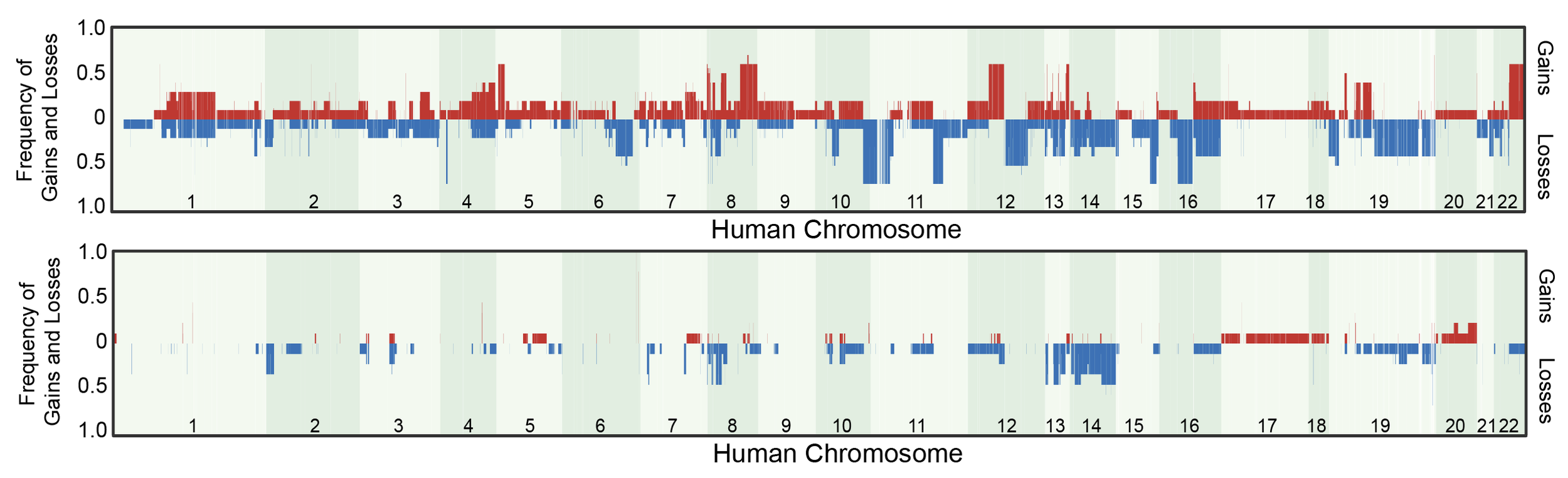
Creating New Functional Genomics Tools
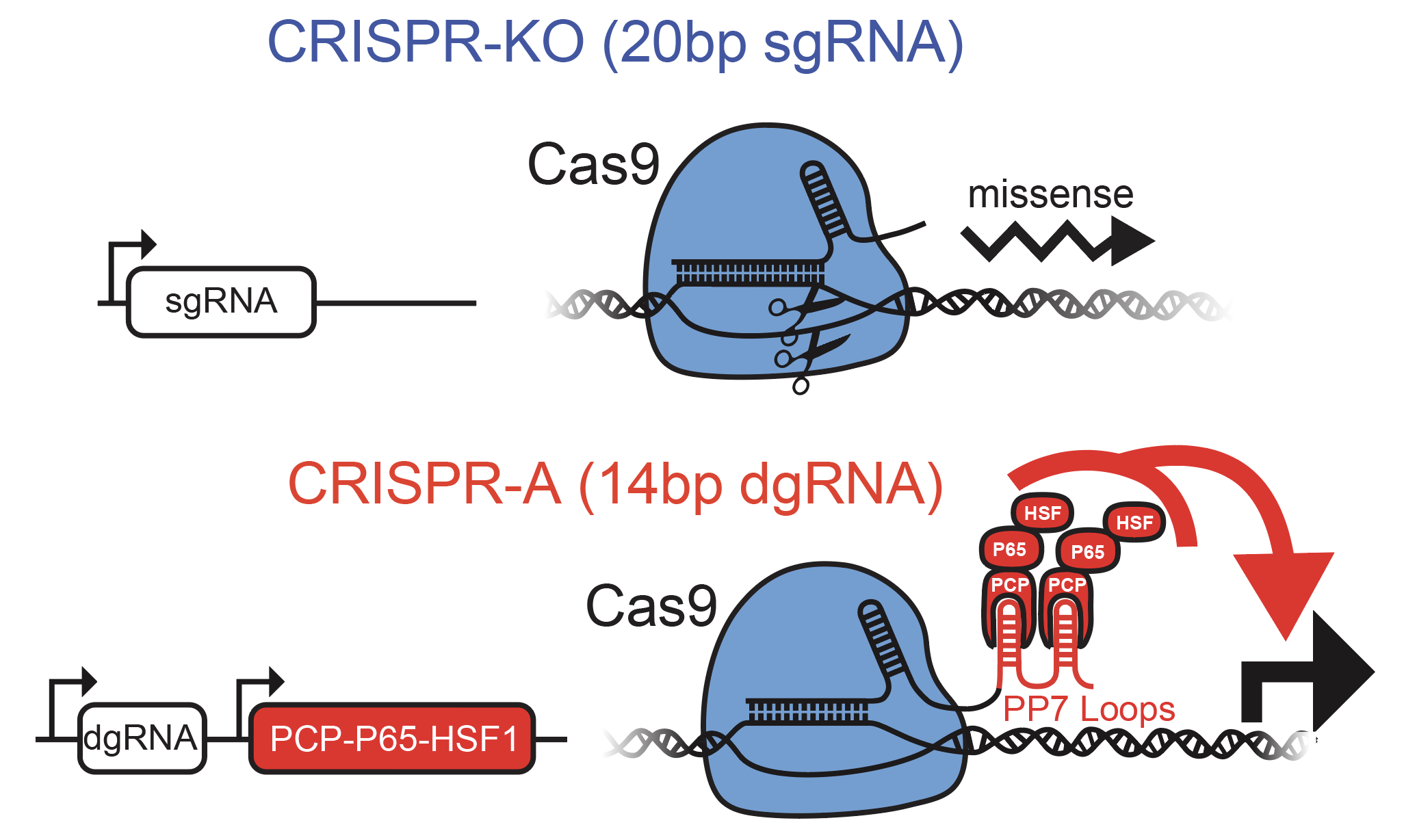
We strive to create new functional genomics approaches to investigate disease biology at scale. Our previous work developed new tools for CRISPR-based multiplexing and we are currently adapting these types of approaches to study the causes and consequences of both genetic and transcriptional heterogeneity in cancer.

Developing Mouse Models of Disease
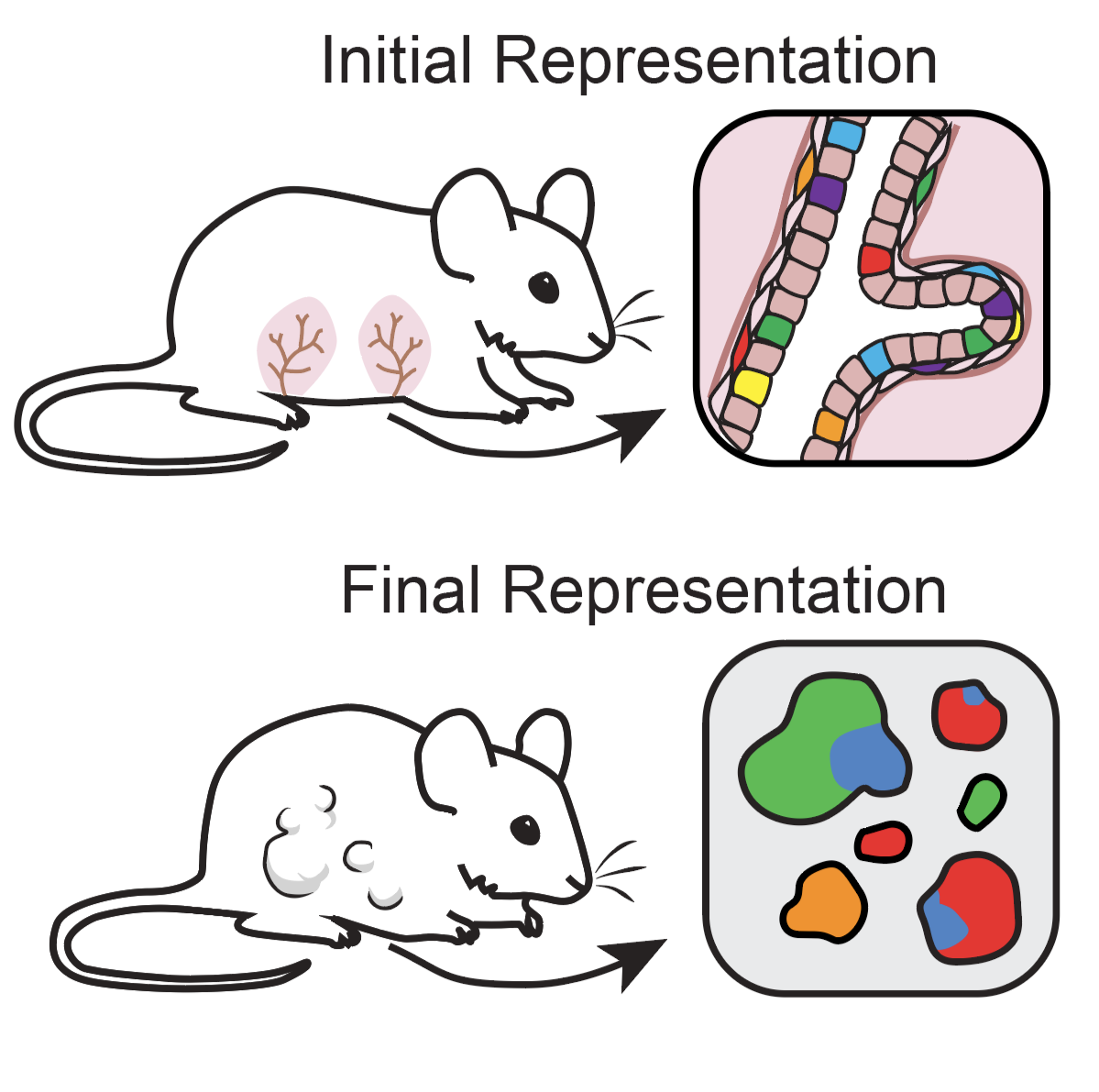
We aim to develop new mouse models of cancer and disease that are amenable to functional interrogation through direct in vivo genetic manipulation. Currently our lab focuses on identifying the earliest drivers of brain, breast, and ovarian cancers by genetically manipulating cells within their native environment.
Investigating How Aneuploidy Drives Cancer